
Practise British English idioms in context with the Read the Room daily puzzle. In three quick rounds, this free interactive quiz helps you learn what common idioms mean and when to use them naturally in real conversations. A new puzzle arrives at midnight UK time.
The quiz was inspired by the idiom read the room: notice how people are feeling and use that to decide what to say or do. The lesson shows how the phrase works in everyday conversations.
How the three rounds work
Rounds 1 and 2 · Which idiom?
Read the situation and pick the expression that fits best. Look for the clue in what happened. If someone wants the short version of a long story, in a nutshell fits. If someone accidentally tells a secret, they’ve spilt the beans.
After you choose, a tick marks the right answer. If you chose incorrectly, a cross marks your choice and the right answer is revealed. The explanation tells you why it fits, and the Funky Tip shows how you might use it yourself.
Round 3 · Would you say it?
Read the situation and the exact words you might use. Choose whether you’d say them to that person. Think about how well you know them, who’s listening and whether your tone is joking or serious.
“Have you got the hump?” might sound playful with a close friend after a board game. If a colleague is upset because you left them out of a meeting, it can sound dismissive. “I’m sorry I missed you off the invite” addresses what happened.
The answer applies to the situation on screen. Change the relationship or tone and the same words can land differently.
This might be a good place to start
Try one of these idiom lessons for a warm-up.
Swipe for more idioms →
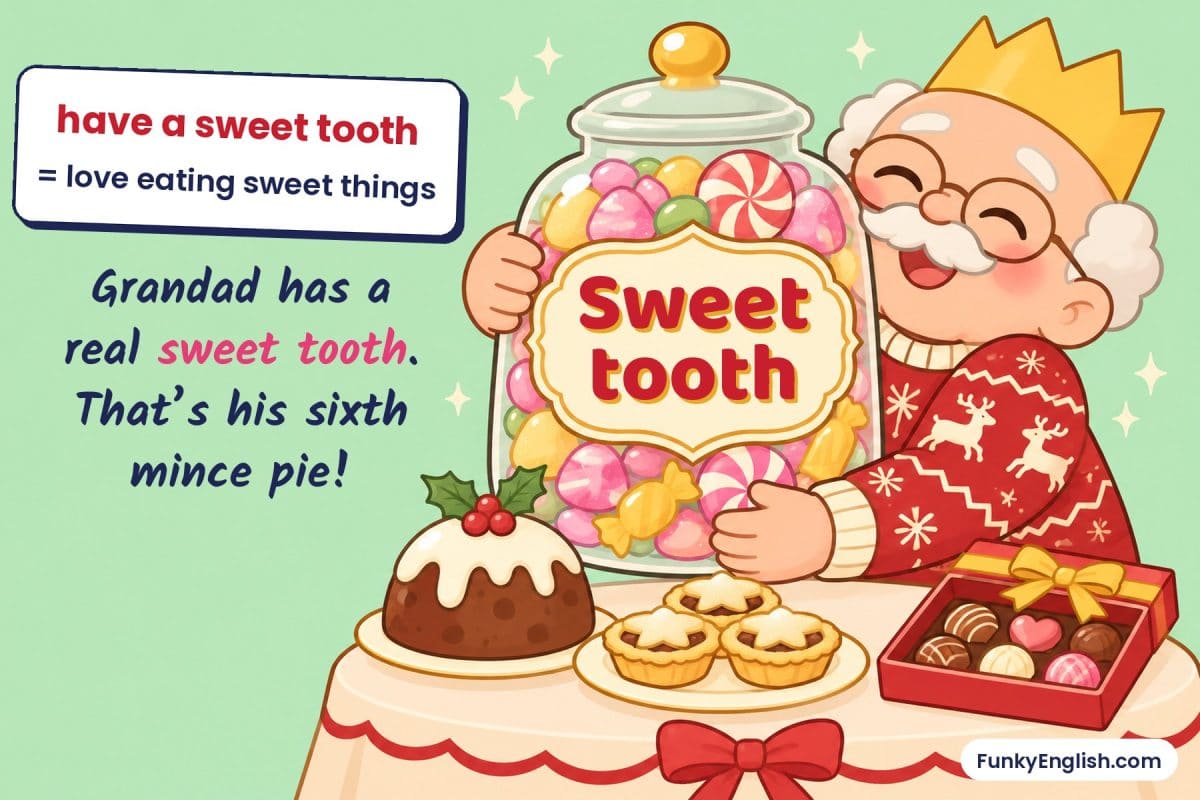 Have a Sweet Tooth
 Keep an Eye On
 Put Your Foot in It
 Lend a Hand
 Wrap Someone Around Your Little Finger
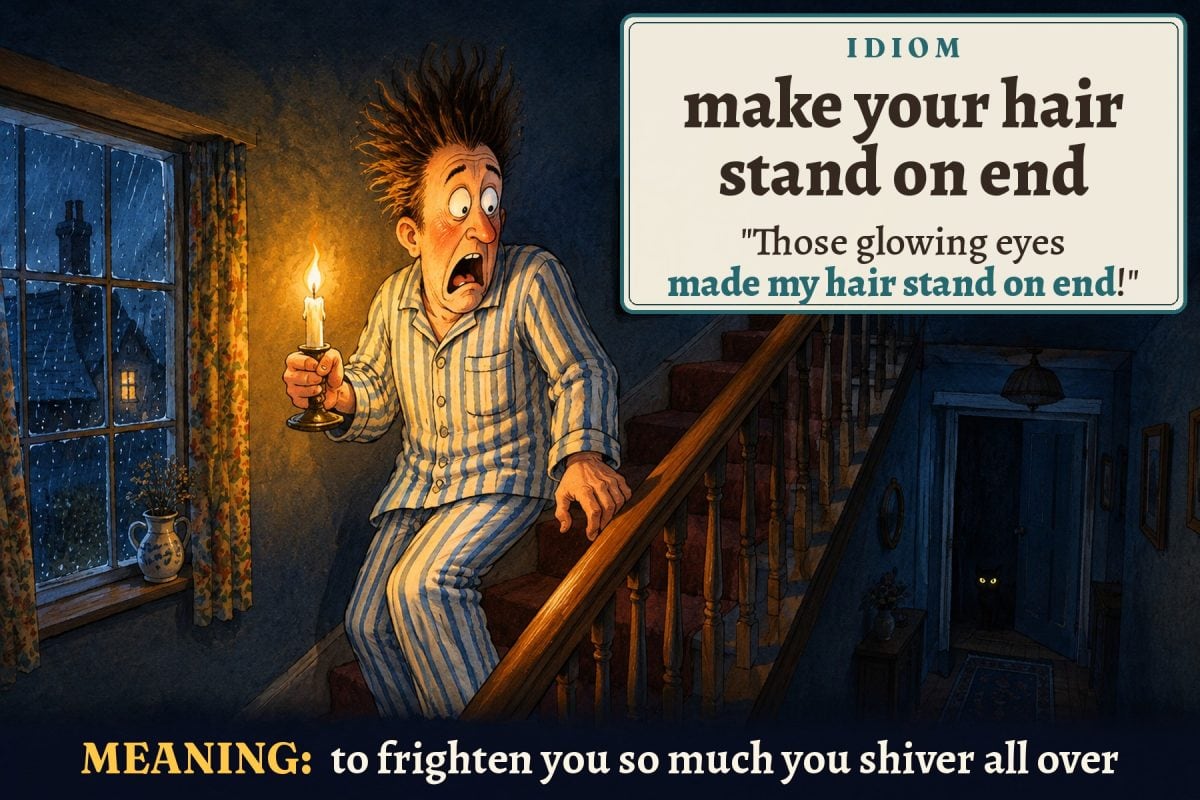 Make Your Hair Stand on End
 Jump Out of Your Skin
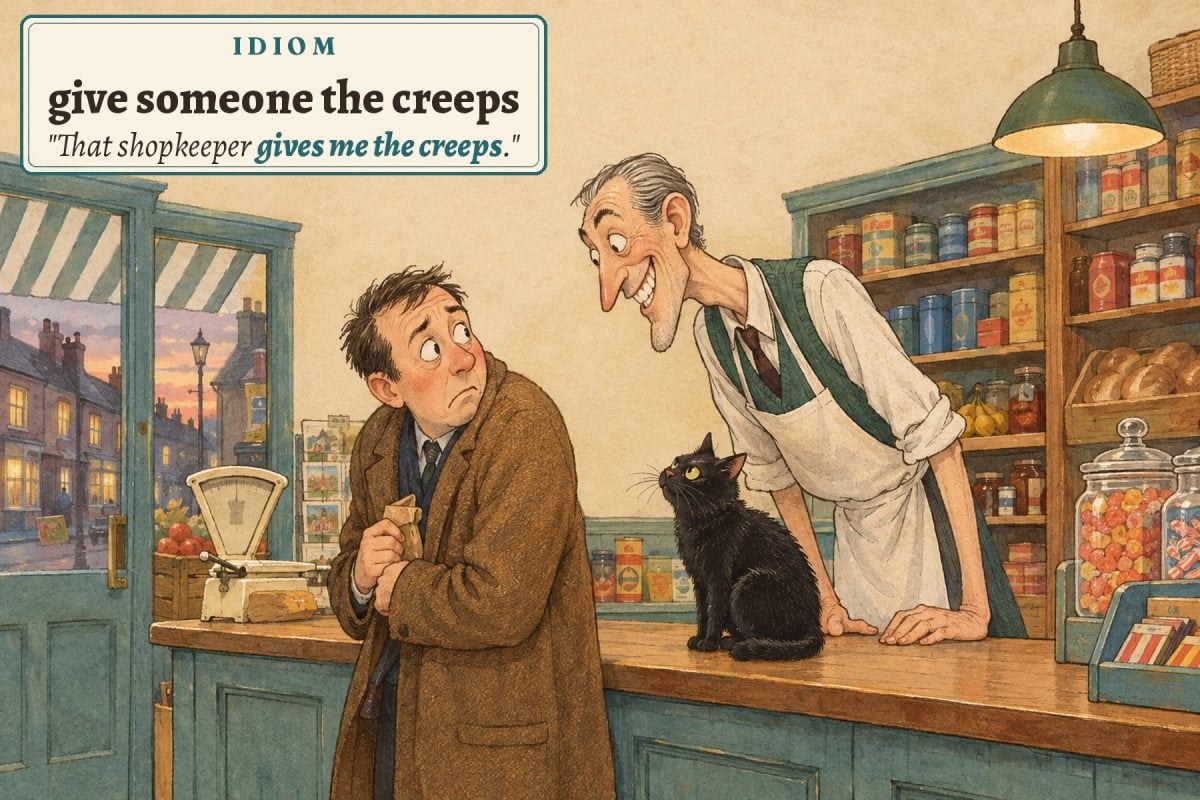 Give Someone the Creeps
 A Skeleton in the Cupboard
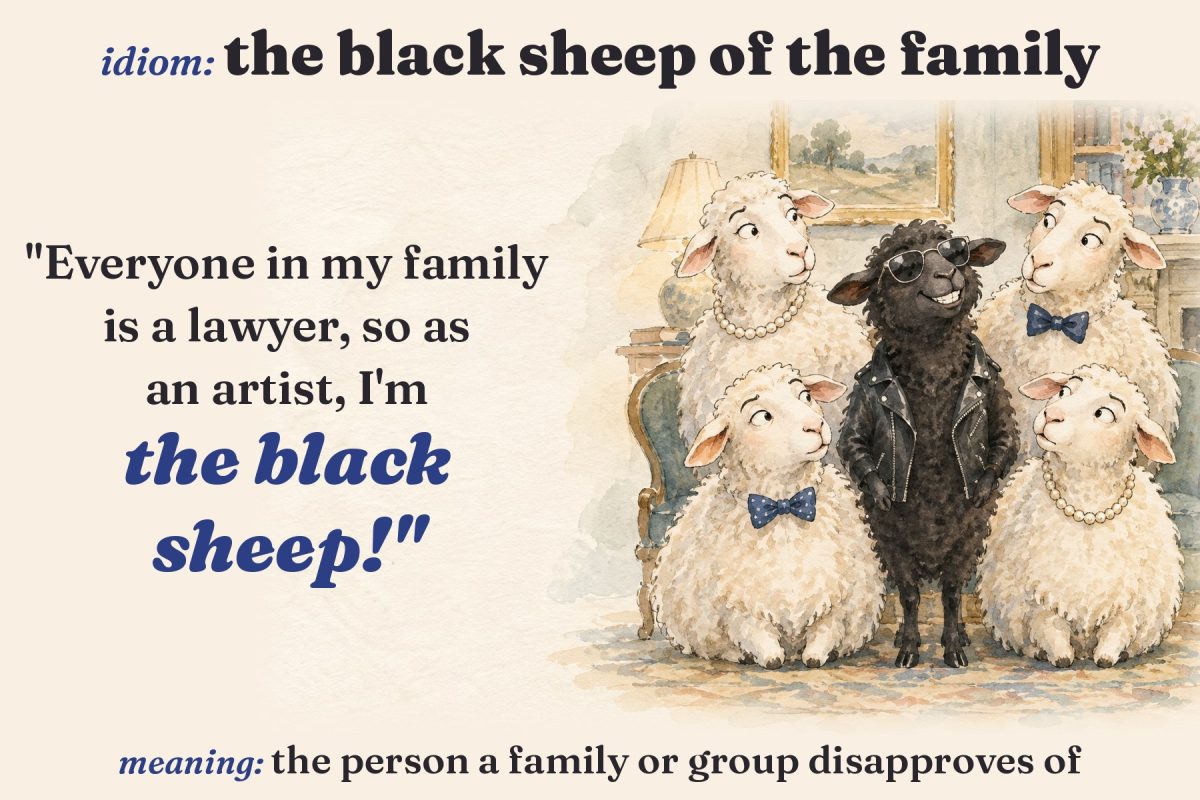 The Black Sheep of the Family
 Cry Wolf
How to improve
Before you play
Do a few questions in the English Idioms Quiz or browse the idiom lessons. When you meet a new phrase, learn it with a whole sentence. Cover the definition and see if the situation helps you remember it.
While you play
Ask two questions. What does the speaker want to do, and how might the listener hear it? Try swapping a friend for a manager in your head. If the line suddenly sounds rude, you’ve spotted a clue about tone.
After you play
Open an idiom link on the results screen and read its examples. Write one sentence you’d say to a friend and a plainer version you could use at work. The next day, try recalling both before you open the puzzle.
Want to practise offline? Get the free PDF 30 English Idioms British People Really Use. It includes meanings, real-life examples and a mini-quiz, delivered straight to your inbox.