When I was growing up, everything good was “marvellous” and every holiday lasted “a fortnight”. My students often ask me: do British people really still say these things? The honest answer is: some of them, much less than before. Others, much more than you’d think.
So instead of guessing, I looked at the data.
How We Checked
We used three kinds of evidence:
- Everyday speech. Researchers at Lancaster University and Cambridge University Press recorded British people chatting in the 1990s (the Spoken British National Corpus) and again from 2014 (the Spoken BNC2014 project). That lets us compare how often people actually said a word, then and now.
- Books. Google Books lets you count how often a word appears in British books each year. We compared the early 1990s with the early 2020s.
- Surveys. A few recent polls asked people, especially Gen Z, which words they had never heard. These are fun, but they were paid for by companies, so treat them as a bit of colour, not proof.
One warning before we start: casual words are turning up more and more in books generally, so a rise in print doesn’t always mean a rise in real life. The interesting part is how words fare compared with each other.
The results fell into three piles.
Pile 1: Really Fading
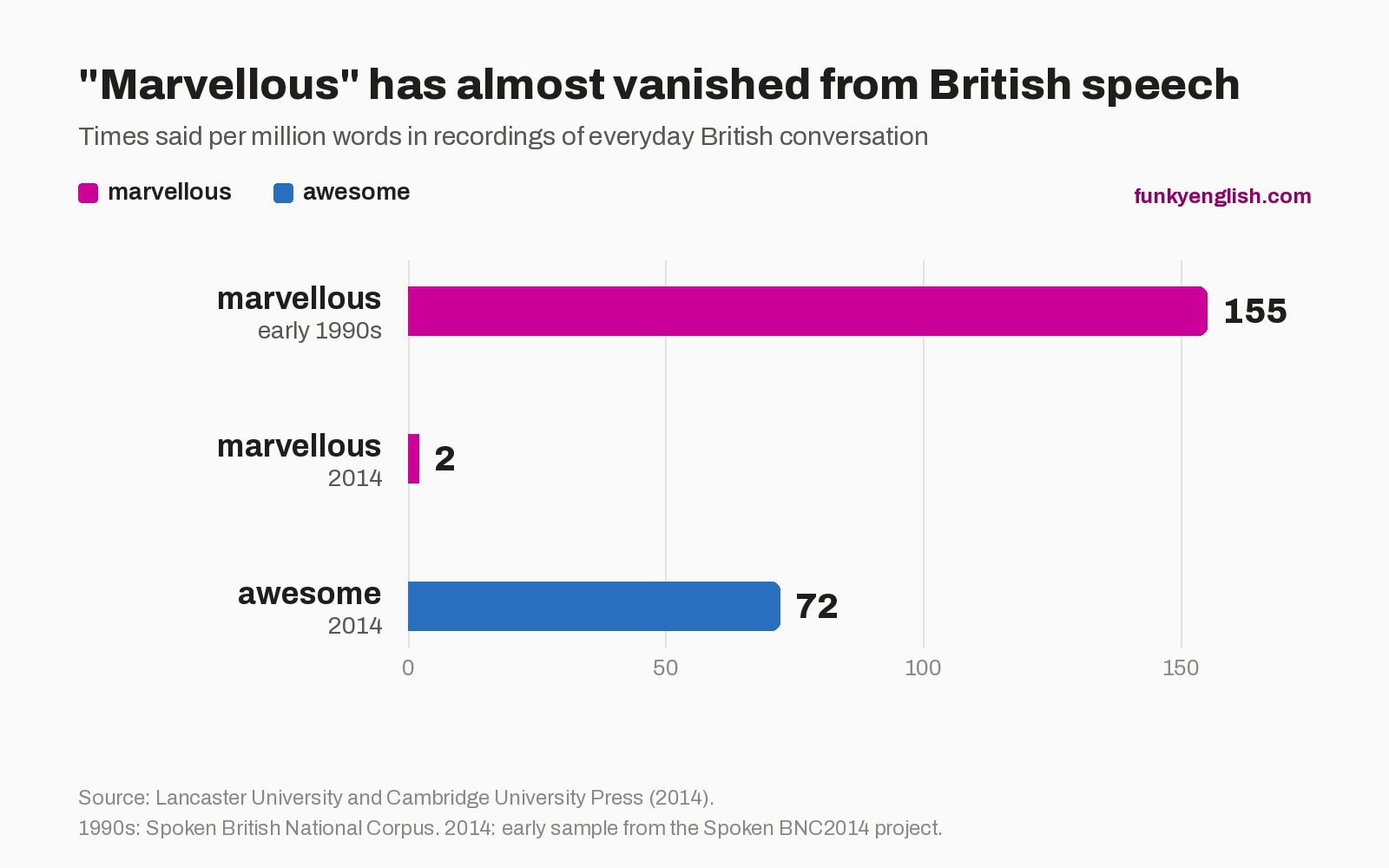
Marvellous. This is the big one. In the early 1990s recordings, people said marvellous about 155 times per million words. In the first new recordings, made in 2014, it was down to about 2. Meanwhile, awesome had arrived at 72 per million words. Marvellous is falling in books too, down about a fifth.
Splendid. Down about 28% in British books since the early 1990s. You’ll still hear it, but usually from older speakers, or from younger ones being a bit jokey.
Fortnight. The researchers named it as one of the “endangered” words in everyday speech. In books it has dropped about 14%, while “two weeks” has gone up. These days, most of us would just say “two weeks” or “a couple of weeks”.
Ta-ra, matey and whatsername. A 2017 study of British conversation found these had more or less dropped out of everyday talk. Ta-ra is a friendly goodbye, heard most in the North and the Midlands: “Ta-ra, love! See you next week.”
Old-fashioned insults. In a 2024 poll of young Britons, 62% had never heard lummox (a big clumsy person), about 60% had never heard berk (an idiot) and almost half had never heard cad (a man who treats women badly). In another poll, 70% of people said they had never used pip pip (goodbye), the most famous “posh” British phrase of all: “Pip pip, old chap! Must dash.”
Pile 2: Past Their Best
These words were doing well in the 2000s and have slipped since then:
- Naff (uncool, cheap-looking): down about 39% in books since the mid-2000s. “That jumper’s a bit naff.”
- Cheesed off (annoyed): down about 37%. “I’m really cheesed off with this weather.”
- Gordon Bennett! (said when you are surprised or annoyed): down about 28%. “Gordon Bennett! I’ve missed the bus again.”
- Plonker (an idiot), made famous by Del Boy in Only Fools and Horses: down about 12%.
They are not gone. People still search Google for “naff” and “plonker” about as often as they did in 2011, partly because learners want to know what they mean. But you’ll hear them less on the street than your parents did.
Pile 3: “Dead”? Not a Chance
Every few years, someone writes that these words are disappearing. The data says otherwise. All of them are used far more in British books today than in the early 1990s:
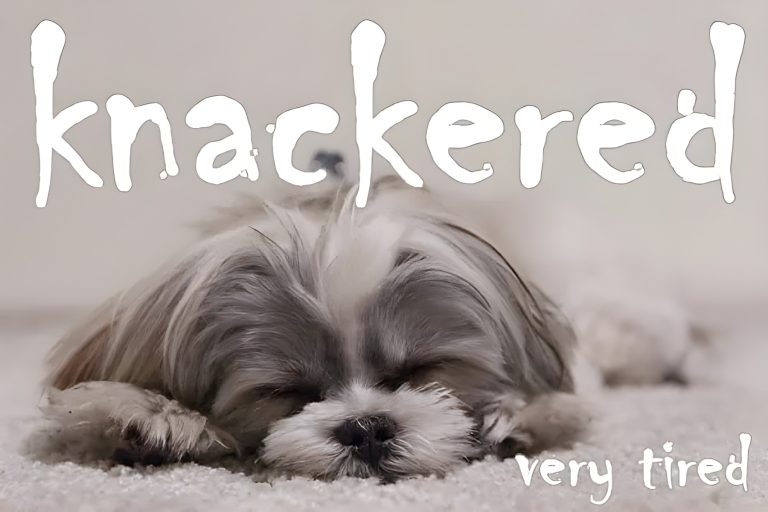
- Knackered (very tired)
- Gobsmacked (amazed)
- Chuffed (very pleased)
- Blimey and crikey (said when you are surprised): “Blimey, is that the time?”
- Bloke (a man)
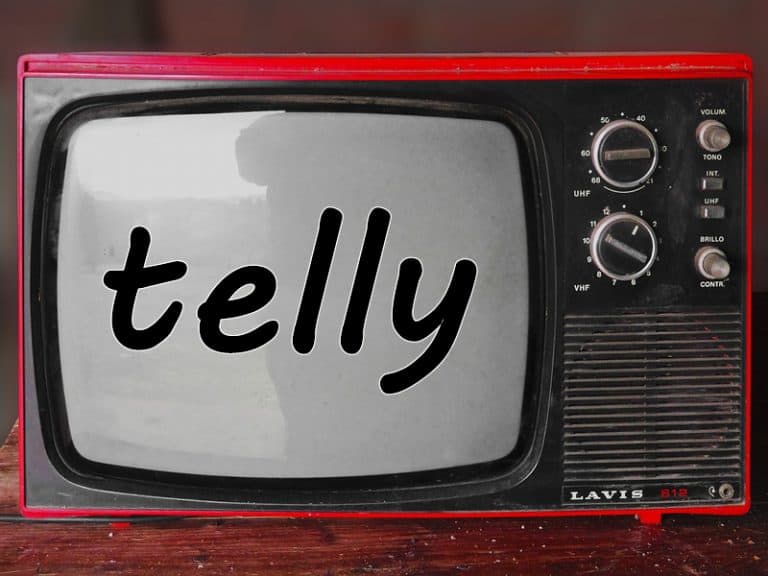
- Telly (TV)
- Cheerio (goodbye)
- Codswallop (nonsense)
Knackered appears almost seven times as often as it did in 1990. Chuffed is five times as common, and Google searches for it have crept up since 2011. Cheerio is the odd one out: the speech researchers worried about it, but it is still alive and well in books.
What’s Coming In?
While some old favourites fade, other words have grown very fast in British books since the early 1990s:
- Amazing: about four times as common. Along with awesome, it does the job marvellous and splendid used to do.
- Two weeks: up, while fortnight goes down. In everyday chat you’ll also hear “a couple of weeks”.
- No worries and guys: both more than seven times as common.
- My bad: almost six times as common.
- Reach out (meaning “contact”): more than five times as common. It’s mostly a work and business phrase: “Please reach out if you have any questions.” With friends, just say “get in touch” or “message me”.
- Dude: about thirteen times as common.
You’ll notice that many of these sound American or Australian. TV, films and the internet carry words across the world faster than ever.
So Should You Use Them?
Here’s my advice as a teacher:
- Use them happily: knackered, chuffed, gobsmacked, bloke, telly, blimey. They sound natural and friendly, and Brits of all ages say them.
- Use them with a smile: marvellous, splendid, cheerio, naff, plonker. People will understand you, but you might sound a bit old-fashioned or jokey, which can be charming.
- Just learn to recognise them: pip pip, cad, lummox, ta-ra. You’ll meet them in old films, books and TV, but you probably won’t need to say them.
Language is always changing, and that’s part of the fun. Just don’t tell my mum that marvellous is on its way out.
Want more? See our 50 British slang words and expressions.
Quick Guide: Words From This Article
| Word | Meaning | Example |
|---|---|---|
| Marvellous | Wonderful, excellent. | What a marvellous view! |
| Splendid | Very good, impressive. | That was a splendid meal. |
| Fortnight | Two weeks. | We’re off to Spain for a fortnight. |
| Matey | A friendly word for a man, like “mate”. | All right, matey? |
| Whatsername | Used when you can’t remember a woman’s name. | I saw whatsername from the post office. |
| Awesome | Really good, great. | That film was awesome! |
| Amazing | Very good or very surprising. | The food was amazing. |
| No worries | It’s fine, or you’re welcome. | “Thanks for your help!” “No worries.” |
| My bad | My mistake, sorry. | I forgot the milk. My bad! |
| Guys | A group of people (any gender). | Are you guys coming tonight? |
| Dude | A man, or a friendly name for a friend. | Dude, that was brilliant! |
Sources
- Lancaster University and Cambridge University Press, “Why marvellous isn’t awesome any more” (2014): early findings from the Spoken BNC2014 project, compared with the 1990s Spoken British National Corpus
- Google Books Ngram Viewer, British English, 1990 to 2022
- Perspectus Global surveys (2022 and 2024)
- Google Trends, UK
Frequently Asked Questions
Yes, but much less than before. In recordings of everyday British conversation, marvellous fell from about 155 times per million words in the early 1990s to about 2 in 2014. Today it sounds old-fashioned or a bit jokey.
Knackered, chuffed, gobsmacked, bloke, telly, blimey and codswallop are all used far more in British books today than in the early 1990s, so they are safe and natural to use.
Words such as amazing, awesome, no worries, my bad and guys have grown very fast in British English. Many of them sound American or Australian.
Test Yourself
What is FunkyEnglish?
FunkyEnglish is a website that helps you improve your English. We offer quick lessons that teach idioms, slang, phrasal verbs and more. Visit our homepage to see our latest articles, or use the menu to find specific content!